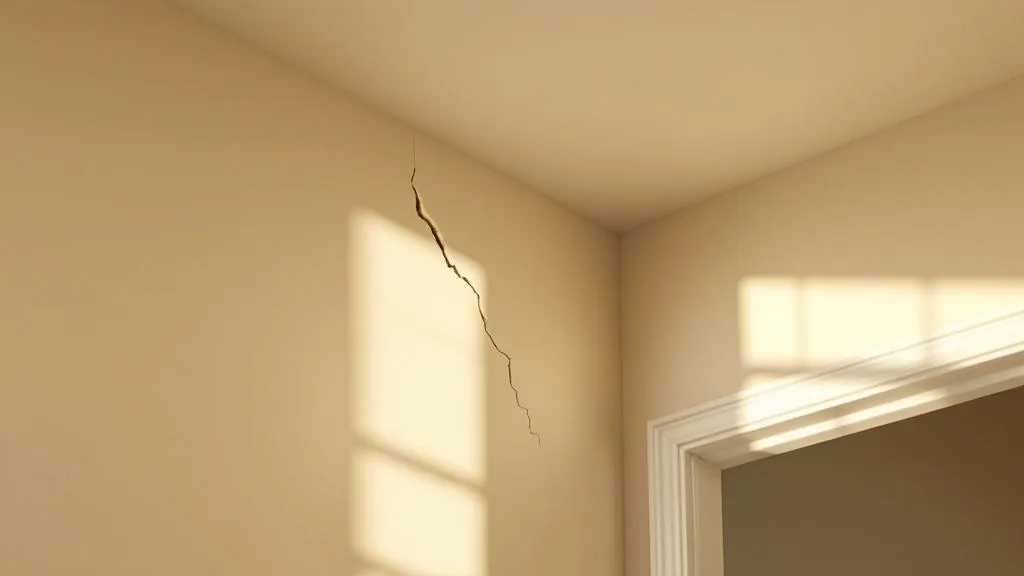
Most foundation damage in Phoenix is not covered by standard homeowners insurance — but some kinds are. The single most important thing to understand is that your policy generally covers sudden, accidental damage from a covered peril, not gradual wear or soil movement. That distinction is where almost every claim conversation lives or dies.
Typically covered
- Sudden plumbing leaks under the slab that wash out soil and cause settlement — often covered, especially if water damage is involved
- Vehicle impact on a foundation, garage stem wall, or carport post
- Fire damage to a foundation or slab
- Explosion or blast damage
- Falling objects impacting the structure (rare, but a covered peril)
Typically NOT covered
- Settlement from soil movement — the most common cause of Phoenix foundation issues
- Expansive soil shrink-and-swell damage
- Long-term irrigation soaking the foundation perimeter
- Drainage failures — patio sloped toward the house, etc.
- Wear and tear, deferred maintenance, and gradual movement
- Earth movement generally — earthquakes, landslides, sinkholes (separate policy)
- Flooding (separate flood policy required)
The plumbing-leak gray area
Plumbing-leak claims are where most foundation insurance conversations happen. A sudden burst supply line that washed out soil under your slab — and you can document it was sudden — is often a covered peril. A slow leak that has been seeping for years is generally not covered, because most policies exclude "long-term seepage."
The key is documentation. If you find a leak, document the date discovered, the visible damage, and get a plumber in to repair it. The plumber's invoice with the repair date helps establish that it was a recent, identifiable event.
What we provide for claims
For any insurance-driven foundation or concrete repair, we provide:
- Pre-repair photos with measurements
- Written scope-of-work and itemized estimate
- Cause analysis where we can identify it (visible voids, evidence of water tracking, etc.)
- Post-repair documentation for the carrier file
- Coordination with adjusters or licensed public adjusters as needed
We do not file insurance claims for you — your adjuster does that — but we provide the documentation they need to evaluate the claim properly.
If your claim is denied
Two options. First, you can dispute the denial with documentation supporting the cause as a covered peril (plumbing repair invoices, etc.). Second, you can simply pay for the repair out of pocket — and in Phoenix, that is usually a much smaller number than people fear. Most jobs land between $1,200 and $8,000.
The cost of waiting is real. Settlement does not get better on its own, and the longer it continues the more downstream damage accumulates (drywall, tile, plumbing, doors). Whether or not insurance covers it, addressing it sooner is almost always cheaper than addressing it later.